Black Quarter (Blackleg): Complete Veterinary Exam Notes
Black Quarter (Blackleg) एक तीव्र, गंभीर और अत्यधिक घातक क्लोस्ट्रीडियल रोग है, जो मुख्य रूप से cattle में देखा जाता है। इसका प्रमुख causative agent Clostridium chauvoei है। यह एक spore-forming, anaerobic, Gram-positive bacterium है। रोग में skeletal muscles में तीव्र inflammation, necrosis और gas formation हो सकती है। इसी कारण प्रभावित मांसपेशियों में सूजन, दर्द और palpation पर characteristic crepitation महसूस हो सकती है।
Black Quarter (Blackleg) विशेष रूप से युवा, अच्छी nutritional condition वाले cattle में महत्वपूर्ण है। रोग का clinical course बहुत तेज हो सकता है और कई affected animals में बीमारी के स्पष्ट लक्षण दिखाई देने के थोड़े समय बाद मृत्यु हो सकती है। कुछ cases में animal को अचानक मृत पाया जाता है।
Veterinary examinations में Black Quarter (Blackleg) से संबंधित questions अक्सर causative organism, age group, affected muscles, clinical signs, lesions, diagnosis, vaccination और prevention से पूछे जाते हैं।
https://animalscienceveterinaryresearchcentre.com/black-quarter-blackleg-v
Table of Contents
- Black Quarter (Blackleg) क्या है?
- Black Quarter का दूसरा नाम
- Causative Agent
- Clostridium chauvoei की विशेषताएँ
- रोग का महत्व
- Epidemiology
- प्रभावित पशु
- Age Group
- Source of Infection
- Transmission
- Pathogenesis
- Risk Factors
- Clinical Signs
- Characteristic Muscle Swelling
- Crepitation
- Black Quarter में Death
- Gross Lesions
- Cardiac Blackleg
- Diagnosis
- Laboratory Diagnosis
- Differential Diagnosis
- Treatment
- Prevention
- Vaccination
- Farm Management
- मृत पशु का Management
- Black Quarter और अन्य Clostridial Diseases में अंतर
- Veterinary Exam Important Facts
- Frequently Asked Questions
- Conclusion
1. Black Quarter (Blackleg) क्या है?
Black Quarter (Blackleg) cattle का एक acute infectious clostridial disease है। इसे veterinary medicine में एक महत्वपूर्ण clostridial myositis/myonecrosis के रूप में जाना जाता है।
इस disease की सबसे महत्वपूर्ण पहचान है:
- अचानक onset
- severe lameness
- depression
- fever के साथ शुरुआत
- बड़ी skeletal muscles में swelling
- affected muscle में gas formation
- palpation पर crepitation
- muscle necrosis
- तेजी से deterioration
- high mortality
Black Quarter (Blackleg) का मुख्य कारण Clostridium chauvoei है। यह organism environment में highly resistant spores बनाता है। Spores soil में लंबे समय तक survive कर सकते हैं और cattle contaminated soil या pasture से इनके संपर्क में आ सकते हैं।
Merck Veterinary Manual के अनुसार disease मुख्यतः cattle और sheep में महत्वपूर्ण है और cattle में characteristic emphysematous swelling तथा necrotizing myositis के साथ जुड़ी होती है।
Black Quarter (Blackleg): 25+ Important Veterinary Facts, Signs, Treatment & Prevention
Black Quarter (Blackleg): 25+ Important Veterinary Facts, Signs, Treatment & Prevention
2. Black Quarter का दूसरा नाम
Black Quarter को विभिन्न नामों से जाना जाता है:
- Black Quarter
- Blackleg
- Black Quarter Disease
- Blackleg Disease
- Clostridial Myositis
- Clostridial Myonecrosis
Veterinary examinations में यदि question पूछा जाए:
“Black Quarter का causative organism कौन है?”
तो सबसे महत्वपूर्ण उत्तर होगा:
Clostridium chauvoei
3. Black Quarter का Causative Agent
Black Quarter का principal causative agent:
Clostridium chauvoei
यह organism:
- Gram-positive
- anaerobic
- spore-forming
- rod-shaped bacterium
है।
Clostridium species की महत्वपूर्ण विशेषता उनका spore formation है। Spores environmental conditions में vegetative bacteria की तुलना में अधिक resistant होते हैं।
इसी वजह से contaminated soil Black Quarter के epidemiology में महत्वपूर्ण भूमिका निभाती है।
Clostridia सामान्यतः soil तथा animal intestinal tract में पाए जा सकते हैं और इनके spores environmental conditions में टिके रह सकते हैं।
Black Quarter (Blackleg): 25+ Important Veterinary Facts, Signs, Treatment & Prevention
4. Clostridium chauvoei की महत्वपूर्ण विशेषताएँ
Veterinary exam के लिए निम्न points याद रखें:
| Feature | Black Quarter |
|---|---|
| Disease | Black Quarter / Blackleg |
| Main agent | Clostridium chauvoei |
| Bacterial type | Gram-positive |
| Oxygen requirement | Anaerobic |
| Spore | Present |
| Main tissue | Skeletal muscle |
| Important lesion | Necrotizing myositis |
| Characteristic sign | Crepitant swelling |
| Course | Acute |
| Mortality | Very high |
| Major host | Cattle |
| Prevention | Vaccination |
एक महत्वपूर्ण exam point यह है कि Black Quarter को केवल “black colored disease” के रूप में याद नहीं करना चाहिए। इसका नाम प्रभावित muscle के dark red-to-black appearance से associated है, जबकि disease की वास्तविक pathology clostridial myonecrosis/myositis है।
5. Black Quarter क्यों महत्वपूर्ण है?
Black Quarter पशुपालन और veterinary medicine दोनों के लिए महत्वपूर्ण है क्योंकि इसका clinical progression बहुत तेज हो सकता है।
एक healthy-looking animal अचानक:
- lame हो सकता है,
- depressed दिखाई दे सकता है,
- muscle swelling develop कर सकता है,
- severe systemic illness develop कर सकता है,
- और थोड़े समय में मर सकता है।
इसी कारण preventive vaccination को disease control का मुख्य हिस्सा माना जाता है।
Merck Veterinary Manual के अनुसार Blackleg लगभग हमेशा fatal हो सकता है यदि clinical disease विकसित हो जाए, जबकि vaccination prevention का अत्यंत महत्वपूर्ण साधन है।
Black Quarter (Blackleg): 25+ Important Veterinary Facts, Signs, Treatment & Prevention
6. Black Quarter की Epidemiology
Black Quarter का epidemiological pattern समझना veterinary examinations के लिए बहुत महत्वपूर्ण है।
Disease सामान्यतः:
- young cattle में अधिक देखी जाती है,
- अच्छे nutritional condition वाले animals में देखी जा सकती है,
- unvaccinated animals में ज्यादा महत्वपूर्ण होती है,
- wet conditions/rainfall से associated outbreaks में बढ़ सकती है,
- contaminated pasture से जुड़ी हो सकती है।
Merck Veterinary Manual के अनुसार अधिकांश cases 6–24 महीने के unvaccinated cattle में देखे जाते हैं, हालांकि बहुत छोटे calves और older cattle भी प्रभावित हो सकते हैं।
Black Quarter (Blackleg): 25+ Important Veterinary Facts, Signs, Treatment & Prevention
7. Black Quarter में कौन-से पशु प्रभावित होते हैं?
मुख्य रूप से:
Cattle
affected होते हैं।
Sheep और कुछ अन्य ruminants भी related infection develop कर सकते हैं, लेकिन cattle में classic Black Quarter एक अत्यंत महत्वपूर्ण disease है।
Sheep में Blackleg-like disease का pathogenesis cattle से अलग हो सकता है और wounds से associated infection अधिक महत्वपूर्ण हो सकता है।
8. Age Group
Black Quarter में commonly affected age group:
6–24 months
है।
लेकिन इसे rigid age limit नहीं मानना चाहिए। कभी-कभी इससे छोटे calves और older animals भी affected हो सकते हैं।
Exam में यदि पूछा जाए:
“Black Quarter commonly affects which age group?”
तो उत्तर:
Young cattle, especially approximately 6–24 months old.
याद रखें:
Young + well-nourished + unvaccinated cattle = Black Quarter का classic risk profile
Black Quarter (Blackleg): 25+ Important Veterinary Facts, Signs, Treatment & Prevention
9. Source of Infection
Black Quarter में environmental spores महत्वपूर्ण source हैं।
Clostridium chauvoei spores contaminated soil में लंबे समय तक survive कर सकते हैं।
Cattle grazing के दौरान contaminated pasture से spores ingest कर सकते हैं।
इसके बाद organism/spores body tissues तक पहुँच सकते हैं और suitable anaerobic conditions मिलने पर germinate कर सकते हैं।
इसलिए केवल direct animal-to-animal contact को disease का मुख्य mechanism समझना सही नहीं होगा।
10. Transmission
Black Quarter का epidemiology मुख्य रूप से environmental contamination से जुड़ा है।
Possible route:
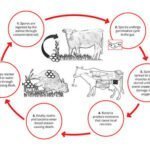
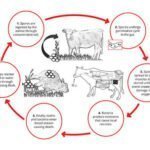
Contaminated soil → ingestion → intestinal absorption/translocation → bloodstream/lymphatic system → muscle tissue → dormant spores → favorable conditions → germination → toxin production → muscle necrosis
यह pathogenesis Black Quarter को कई wound-associated clostridial infections से अलग समझने में मदद करता है।
Black Quarter (Blackleg): 25+ Important Veterinary Facts, Signs, Treatment & Prevention
11. Pathogenesis of Black Quarter
Black Quarter की pathogenesis veterinary exam का बहुत महत्वपूर्ण हिस्सा है।
सबसे पहले environmental spores animal के शरीर में प्रवेश करते हैं।
ऐसा माना जाता है कि spores intestinal tract से absorb होकर blood और lymphatic system के माध्यम से skeletal तथा cardiac muscles तक पहुँच सकते हैं।
Muscle में spores लंबे समय तक dormant रह सकते हैं।
जब local tissue में:
- trauma
- hypoxia
- reduced oxygen tension
- tissue damage
- ischemia
जैसी conditions बनती हैं, तब spores germinate कर सकते हैं।
इसके बाद vegetative bacteria multiply करते हैं और toxins तथा अन्य pathogenic factors produce करते हैं।
इससे:
muscle damage → necrosis → inflammation → hemorrhage → gas production → toxemia
हो सकती है।
Black Quarter (Blackleg): 25+ Important Veterinary Facts, Signs, Treatment & Prevention
Black Quarter (Blackleg): 25+ Important Veterinary Facts, Signs, Treatment & Prevention
12. Trauma की भूमिका
Black Quarter में trauma को traditional risk factor माना जाता है।
Muscle trauma के बाद local oxygen conditions बदल सकती हैं और ऐसा environment बन सकता है जिसमें anaerobic Clostridium grow कर सके।
हालांकि यह समझना महत्वपूर्ण है कि cattle में हर Black Quarter case में obvious external wound मिलना आवश्यक नहीं है।
Merck Veterinary Manual के अनुसार cattle में disease अक्सर किसी visible wound के इतिहास के बिना भी हो सकती है।
13. Black Quarter के Risk Factors
Important risk factors:
- Young age
- Good body condition
- Lack of vaccination
- Contaminated pasture
- Wet season
- High environmental spore load
- Muscle trauma
- Movement to contaminated pasture
- Inadequate preventive vaccination
- Previous occurrence of disease on the farm
इसलिए outbreak-prone farms में vaccination और pasture management बहुत महत्वपूर्ण हैं।
Black Quarter (Blackleg): 25+ Important Veterinary Facts, Signs, Treatment & Prevention
14. Black Quarter के Clinical Signs
Black Quarter का onset सामान्यतः sudden होता है।
Important clinical signs:
- sudden lameness
- depression
- fever
- anorexia
- muscle swelling
- painful swelling
- crepitation
- muscle necrosis
- weakness
- tremors
- prostration
- abnormal respiration in some cases
- sudden death
सबसे classic combination:
Young cattle + sudden lameness + painful swelling + crepitation + rapid death
Black Quarter का strong clinical clue है।
Black Quarter (Blackleg): 25+ Important Veterinary Facts, Signs, Treatment & Prevention
15. Lameness
Black Quarter में lameness बहुत common clinical sign है।
यदि hind limb की बड़ी muscles affected हों, तो animal:
- चलने में कठिनाई दिखाता है,
- severe lameness develop करता है,
- खड़े होने में परेशानी कर सकता है,
- और बाद में recumbency develop कर सकता है।
Merck के अनुसार acute severe lameness, विशेष रूप से hind limbs में, disease की common presentation है।
Black Quarter (Blackleg): 25+ Important Veterinary Facts, Signs, Treatment & Prevention
16. Muscle Swelling
Black Quarter की सबसे महत्वपूर्ण clinical findings में से एक affected muscle की swelling है।
Common sites:
- hip
- shoulder
- thigh
- chest
- back
- neck
Swelling शुरुआत में:
- focal
- hot
- painful
हो सकती है।
बाद में affected area में gas formation के कारण characteristic crepitation develop हो सकती है।
Black Quarter (Blackleg): 25+ Important Veterinary Facts, Signs, Treatment & Prevention
17. Crepitation क्या है?
Crepitation palpation के दौरान महसूस होने वाली crackling/bubbling sensation है।
यह tissue में gas bubbles की presence के कारण होती है।
Veterinary exam में:
Black Quarter + crepitation = very important clue
याद रखें।
हालांकि केवल crepitation के आधार पर definitive diagnosis नहीं करना चाहिए क्योंकि कुछ अन्य gas-forming infections भी similar findings दे सकते हैं।
18. Black Quarter में Fever
Disease की शुरुआत में fever हो सकता है।
लेकिन clinical stage में temperature normal या कभी-कभी subnormal भी हो सकता है, विशेषकर severe systemic disease के साथ।
इसलिए केवल fever की absence देखकर Black Quarter को rule out नहीं करना चाहिए।
19. Black Quarter में Death
Black Quarter बहुत rapidly progressive disease है।
कुछ animals में disease के obvious signs आने के बाद 12–48 hours के भीतर death हो सकती है। कुछ animals को बिना स्पष्ट premonitory signs के dead पाया जा सकता है।
यही कारण है कि treatment का success rate low हो सकता है।
Black Quarter (Blackleg): 25+ Important Veterinary Facts, Signs, Treatment & Prevention
20. Cardiac Blackleg
Black Quarter केवल skeletal muscles तक सीमित नहीं है।
कुछ cattle में:
- myocardium
- diaphragm
भी प्रभावित हो सकते हैं।
यदि heart muscle involved हो, तो clinical presentation skeletal muscle swelling के classic form से अलग हो सकती है।
कुछ cases में cardiac lesions प्रमुख या लगभग अकेले lesions हो सकते हैं।
यह veterinary exam में एक advanced point है:
Black Quarter can involve cardiac muscle.
21. Gross Lesions
Postmortem examination में affected muscles:
- dark red
- dark brown
- blackish
- dry
- spongy
दिख सकते हैं।
Muscle में:
- gas bubbles
- hemorrhage
- necrosis
- edema
- discoloration
हो सकती है।
Affected tissue से characteristic abnormal/sweetish odor भी report किया जा सकता है।
Merck Veterinary Manual में Blackleg lesions को dark red-to-black muscle, gas bubbles और characteristic odor के साथ describe किया गया है।
Black Quarter (Blackleg): 25+ Important Veterinary Facts, Signs, Treatment & Prevention
22. Muscle Lesion का Exam Point
एक classic exam question:
Black Quarter में affected muscle कैसी दिखाई देती है?
उत्तर:
Dark red to black, necrotic, spongy muscle with gas bubbles.
इस finding को याद रखने के लिए:
Blackleg → Black muscle
एक simple memory aid है।
23. Diagnosis of Black Quarter
Diagnosis कई factors पर आधारित होती है:
Clinical diagnosis
Clinical signs:
- young cattle
- sudden lameness
- rapidly developing swelling
- crepitation
- rapid death
strong suspicion देते हैं।
Postmortem findings
Muscle में:
- dark discoloration
- gas
- necrosis
- hemorrhage
supportive findings हैं।
Laboratory confirmation
Definitive diagnosis के लिए affected tissues में Clostridium chauvoei की identification की जाती है।
Available laboratory approaches में:
- anaerobic culture
- fluorescent antibody testing
- PCR
- immunohistochemistry
शामिल हो सकते हैं।
24. Sample Collection
Dead animal में diagnostic sample जल्दी collect करना महत्वपूर्ण है।
Postmortem के बाद समय बीतने पर gastrointestinal और environmental organisms tissues में invade कर सकते हैं।
इससे interpretation मुश्किल हो सकता है।
इसलिए laboratory diagnosis के लिए appropriate affected muscle tissue को जल्द से जल्द collect करना महत्वपूर्ण है।
25. Fluorescent Antibody Test
Fluorescent antibody testing C. chauvoei की rapid identification के लिए उपयोगी laboratory method हो सकती है।
Veterinary diagnostic laboratories में यह test Black Quarter की confirmation में महत्वपूर्ण भूमिका निभा सकता है।
26. PCR
PCR molecular diagnostic method है।
यह specific pathogen DNA की detection में सहायता कर सकता है।
Black Quarter के context में affected clinical tissue से C. chauvoei detection के लिए PCR useful हो सकता है।
लेकिन laboratory test का selection sample quality और laboratory facilities पर निर्भर करता है।
27. Differential Diagnosis
Black Quarter को कुछ अन्य diseases से differentiate करना आवश्यक है।
Important differential diagnoses:
- malignant edema/gas gangrene
- anthrax
- other clostridial myonecrosis
- traumatic muscle injury
- severe cellulitis
- other gas-forming infections
- bacillary hemoglobinuria in appropriate cases
Clinical history, lesion distribution और laboratory testing differential diagnosis में मदद करते हैं।
28. Black Quarter और Anthrax में अंतर
Black Quarter और anthrax दोनों livestock में sudden death का कारण बन सकते हैं, इसलिए differential diagnosis important है।
Black Quarter में:
- muscle swelling
- crepitation
- muscle necrosis
- gas formation
महत्वपूर्ण clues हैं।
Anthrax में characteristic systemic findings और postmortem handling considerations अलग होते हैं।
Suspected anthrax cases में unnecessary carcass opening नहीं करनी चाहिए क्योंकि spores environmental contamination का कारण बन सकते हैं।
29. Black Quarter और Malignant Edema में अंतर
Black Quarter का principal organism:
Clostridium chauvoei
है।
Malignant edema/gas gangrene कई clostridial organisms से associated हो सकता है, जिसमें:
- C. septicum
- C. chauvoei
- C. novyi
- C. perfringens
आदि शामिल हो सकते हैं।
Gas gangrene आमतौर पर wounds और devitalized tissues से अधिक closely associated होती है, जबकि cattle में classic Black Quarter बिना obvious wound के भी develop हो सकता है।
Black Quarter (Blackleg): 25+ Important Veterinary Facts, Signs, Treatment & Prevention
30. Treatment of Black Quarter
Black Quarter का treatment challenging है क्योंकि disease बहुत तेजी से progress करती है।
Clinical signs आने के बाद treatment की success limited हो सकती है।
Early diagnosis होने पर veterinarian appropriate antimicrobial therapy consider कर सकता है।
Penicillin historically important therapeutic option है, लेकिन drug choice, dose, route और treatment duration veterinary professional द्वारा animal और local regulations के अनुसार तय किए जाने चाहिए।
Merck Veterinary Manual rapid progression के कारण treatment के अक्सर unsuccessful होने की बात बताता है, हालांकि early cases में appropriate antimicrobial therapy प्रभावी हो सकती है।
31. Early Treatment क्यों महत्वपूर्ण है?
Black Quarter में toxins और tissue necrosis तेजी से develop हो सकते हैं।
जब extensive muscle necrosis और systemic toxemia develop हो जाती है, तब antimicrobial drug का affected tissue तक effective concentration में पहुँचना कठिन हो सकता है।
इसलिए:
Early recognition + early veterinary intervention
बहुत महत्वपूर्ण है।
32. Surgical Intervention
Selected cases में affected muscle की surgical opening/fenestration और lavage से tissue oxygenation बढ़ाने का प्रयास किया जा सकता है।
लेकिन यह routine home treatment नहीं है।
ऐसी procedure केवल trained veterinarian द्वारा appropriate clinical circumstances में की जानी चाहिए।
33. Black Quarter की Prevention
Black Quarter में treatment से अधिक महत्वपूर्ण है:
Prevention
Prevention के मुख्य pillars हैं:
- Vaccination
- Proper herd health program
- Pasture management
- Outbreak surveillance
- Dead animal disposal
- Farm hygiene
- Veterinary monitoring
34. Vaccination
Black Quarter prevention में vaccination सबसे महत्वपूर्ण tools में से एक है।
Commercial clostridial vaccines में C. chauvoei antigen शामिल हो सकता है।
कुछ multivalent vaccines कई clostridial diseases से protection प्रदान करने के लिए तैयार किए जाते हैं।
Merck Veterinary Manual के अनुसार cattle में multivalent clostridial vaccines commonly C. chauvoei के साथ अन्य clostridial organisms को भी cover कर सकते हैं।
35. Vaccination Schedule
Vaccination schedule product और regional veterinary program के अनुसार अलग हो सकता है।
एक commonly described program में young calves को primary vaccination और उसके बाद booster vaccination दिया जाता है।
Merck Veterinary Manual के अनुसार एक commonly used approach में लगभग 2 months की age पर vaccination और 4 weeks बाद second dose, followed by appropriate boosters शामिल हो सकते हैं।
Exam preparation के लिए महत्वपूर्ण: actual field vaccination हमेशा licensed veterinary product के manufacturer instructions तथा local veterinarian की सलाह के अनुसार करें।
36. Vaccine Administration
Clostridial vaccines से local tissue reactions हो सकती हैं।
इसलिए administration site और route का selection महत्वपूर्ण है।
Merck Veterinary Manual cattle में clostridial vaccines को आमतौर पर neck region में subcutaneous route से देने की recommendation बताता है, ताकि tissue reaction की स्थिति में valuable carcass muscle को नुकसान कम हो।
37. Pasture Management
यदि किसी pasture में Black Quarter का outbreak हुआ है, तो उस क्षेत्र के management पर विशेष ध्यान देना चाहिए।
Affected animals को contaminated pasture से हटाना disease control strategy का हिस्सा हो सकता है।
Repeated outbreaks वाले क्षेत्रों में:
- vaccination
- pasture assessment
- animal movement planning
- soil/environmental risk evaluation
महत्वपूर्ण हैं।
Black Quarter (Blackleg): 25+ Important Veterinary Facts, Signs, Treatment & Prevention
38. Dead Animal Management
Black Quarter से मृत पशु का carcass environmental contamination का source बन सकता है।
Carcass disposal veterinary/public-health guidance के अनुसार किया जाना चाहिए।
WOAH educational disease material में Blackleg के संदर्भ में मृत animals के उचित destruction/deep burial तथा carcass handling पर जोर दिया गया है।
Suspected anthrax के मामले में carcass opening से बचना विशेष रूप से महत्वपूर्ण है।
39. क्या Black Quarter Contagious है?
Black Quarter को सामान्य respiratory या direct-contact contagious disease की तरह नहीं समझना चाहिए।
इसका epidemiology environmental spores से strongly associated है।
एक infected animal से दूसरे healthy animal तक direct transmission सामान्य मुख्य mechanism नहीं है।
Farm में एक साथ कई cases दिखाई देने का कारण अक्सर shared contaminated environment हो सकता है।
40. Wet Season और Black Quarter
Black Quarter outbreaks wet periods/rainfall से associated हो सकते हैं।
High rainfall soil conditions और environmental exposure patterns को प्रभावित कर सकती है।
Merck Veterinary Manual disease incidence और annual rainfall के बीच association report करता है।
Veterinary exam में:
Black Quarter → wet season/rainfall association
एक useful memory point है।
41. Good Nutrition का क्या संबंध है?
Black Quarter का एक interesting epidemiological feature यह है कि disease अक्सर अच्छी body condition वाले young cattle में देखी जाती है।
इसलिए:
Well-nourished young cattle
को automatically low-risk नहीं मानना चाहिए।
यह feature कई students को confusing लग सकता है क्योंकि वे सामान्यतः poor nutrition को infectious disease का risk factor मानते हैं।
42. Black Quarter का Important One-Liner
Black Quarter is an acute, highly fatal clostridial myositis of cattle caused primarily by Clostridium chauvoei.
Hindi में:
Black Quarter cattle का Clostridium chauvoei द्वारा होने वाला तीव्र एवं अत्यंत घातक clostridial myositis है।
43. Veterinary Exam के लिए सबसे महत्वपूर्ण Facts
Fact 1
Causative organism:
Clostridium chauvoei
Fact 2
Disease:
Black Quarter / Blackleg
Fact 3
Major host:
Cattle
Fact 4
Common age:
Young cattle, especially 6–24 months
Fact 5
Major tissue:
Skeletal muscle
Fact 6
Important lesion:
Necrotizing myositis
Fact 7
Characteristic sign:
Crepitant muscle swelling
Fact 8
Course:
Acute
Fact 9
Mortality:
Very high
Fact 10
Main prevention:
Vaccination
44. Black Quarter की Memory Trick
Exam में याद रखने के लिए:
BLACK
B – Bacterial disease
L – Lethal/rapid disease
A – Acute onset
C – Clostridium chauvoei
K – Known for crepitant muscle swelling
यह mnemonic students को basic identification में मदद कर सकता है।
45. Black Quarter के Classic Clinical Pattern
एक typical exam case को इस तरह समझें:
एक 1-year-old, well-nourished, unvaccinated calf को अचानक severe hind-leg lameness होती है। Hip/thigh region में painful swelling है। Palpation पर crepitation महसूस होती है। कुछ समय बाद animal severely depressed हो जाता है और rapidly dies.
सबसे likely diagnosis:
Black Quarter (Blackleg)
और causative agent:
Clostridium chauvoei
46. Black Quarter में Muscle Groups
Affected muscles अलग-अलग cases में अलग हो सकती हैं।
Commonly affected regions:
- hind limb
- thigh
- hip
- shoulder
- chest
- back
- neck
इसलिए examination में केवल hind limb को exclusive site न मानें।
47. Heart Involvement
Heart involvement Black Quarter का advanced but important point है।
यदि myocardium प्रभावित हो:
- weakness
- respiratory abnormalities
- cardiovascular signs
दिख सकते हैं।
कुछ cattle में cardiac lesions skeletal muscle lesions की अनुपस्थिति में प्रमुख हो सकते हैं।
48. Black Quarter में Odor
Affected muscle में characteristic abnormal, often sweetish/rancid fermentation-like odor report किया जा सकता है।
यह finding supportive है, लेकिन अकेले odor से diagnosis confirm नहीं किया जाना चाहिए।
Laboratory confirmation आवश्यक हो सकती है।
49. Black Quarter में Gas Formation
Gas formation clostridial metabolism का important pathological feature है।
Muscle tissue में gas bubbles बनने के कारण:
Crepitation
महसूस होती है।
इसी वजह से Black Quarter को gas-forming clostridial myositis के रूप में समझना उपयोगी है।
50. Black Quarter की सबसे महत्वपूर्ण Prevention Strategy
अगर exam में पूछा जाए:
“Black Quarter control का सबसे प्रभावी practical method क्या है?”
तो मुख्य उत्तर:
Vaccination
होगा।
लेकिन field control केवल vaccine तक सीमित नहीं है। Appropriate pasture management, surveillance और carcass disposal भी आवश्यक हैं।
Black Quarter (Blackleg): 25+ Important Veterinary Facts, Signs, Treatment & Prevention
51. Black Quarter में Herd-Level Control
यदि farm में case मिलता है, तो veterinary response में निम्न बातों पर ध्यान दिया जा सकता है:
- तुरंत veterinary authority/field veterinarian से संपर्क
- clinically affected animals की पहचान
- unvaccinated susceptible cattle की समीक्षा
- vaccination program की समीक्षा
- affected pasture की पहचान
- carcass का safe disposal
- farm hygiene
- outbreak documentation
- future vaccination schedule
52. Black Quarter और Vaccination Gap
कई outbreaks में unvaccinated animals का proportion महत्वपूर्ण risk factor हो सकता है।
इसलिए herd records में यह देखना चाहिए:
- कौन से animals vaccinated हैं?
- किस date पर vaccination हुई?
- booster कब हुआ?
- कौन से calves अभी susceptible हैं?
- क्या vaccine cold chain maintained थी?
- क्या complete primary course दिया गया?
53. Veterinary Exam में पूछे जाने वाले Common Questions
Q. Black Quarter का causative organism?
Ans. Clostridium chauvoei.
Q. Black Quarter में प्रमुख tissue?
Ans. Skeletal muscle.
Q. Characteristic clinical sign?
Ans. Crepitant muscle swelling.
Q. Common age?
Ans. Young cattle.
Q. Disease का course?
Ans. Acute and rapidly progressive.
Q. Prevention?
Ans. Vaccination.
54. Black Quarter की Laboratory Confirmation
यदि clinical suspicion strong हो, तो affected muscle tissue laboratory examination के लिए भेजा जा सकता है।
Diagnostic approaches:
- anaerobic culture
- fluorescent antibody test
- PCR
- immunohistochemistry
में से appropriate method laboratory द्वारा चुना जा सकता है।
55. Culture में Anaerobic Conditions
Clostridium chauvoei anaerobic organism है।
इसलिए culture के दौरान appropriate anaerobic conditions आवश्यक होती हैं।
यह point microbiology और veterinary pathology दोनों examinations में महत्वपूर्ण है।
56. Black Quarter का Pathology Summary
Pathogenesis को एक flowchart में याद करें:
Environmental spores
↓
Entry into animal
↓
Blood/lymphatic transport
↓
Muscle tissue
↓
Dormant spores
↓
Trauma/hypoxia
↓
Germination
↓
Bacterial multiplication
↓
Toxin production
↓
Myositis + Myonecrosis
↓
Gas formation
↓
Toxemia
↓
Rapid death
57. Black Quarter के Prevention का Flowchart
Identify risk area
↓
Vaccinate susceptible cattle
↓
Maintain booster program
↓
Monitor young cattle
↓
Early detection
↓
Veterinary intervention
↓
Remove cattle from affected pasture where appropriate
↓
Safe carcass disposal
↓
Improve future herd protection
58. Black Quarter और अन्य Clostridial Diseases
Veterinary exams में clostridial diseases को compare करना useful है।
| Disease | Main organism |
|---|---|
| Black Quarter | Clostridium chauvoei |
| Tetanus | Clostridium tetani |
| Black disease | Clostridium novyi type B |
| Gas gangrene | Several clostridial species |
| Bacillary hemoglobinuria | Clostridium haemolyticum |
| Enterotoxemia | Clostridium perfringens |
यह table basic exam revision के लिए उपयोगी है।
59. Important Exam Comparison
Black Quarter
C. chauvoei → muscle → gas → crepitation
Tetanus
C. tetani → nervous system → rigidity/spasm
Black Disease
C. novyi type B → liver → necrotic hepatitis
Bacillary Hemoglobinuria
C. haemolyticum → liver → intravascular hemolysis/hemoglobinuria
इन diseases को organism और primary lesion के आधार पर याद करना सबसे आसान तरीका है।
60. Black Quarter का One-Page Revision
Disease: Black Quarter / Blackleg
Agent: Clostridium chauvoei
Type: Gram-positive anaerobic spore-forming bacterium
Main species: Cattle
Age: Young cattle
Common risk: Unvaccinated animals
Environment: Contaminated soil/pasture
Onset: Sudden
Major sign: Lameness
Lesion: Muscle necrosis
Gas: Present
Palpation: Crepitation
Muscle color: Dark red to black
Course: Rapid
Mortality: Very high
Diagnosis: Clinical + postmortem + laboratory confirmation
Tests: Culture, fluorescent antibody, PCR, IHC
Treatment: Often unsuccessful because of rapid progression
Prevention: Vaccination
Control: Vaccination + management + safe carcass disposal
Black Quarter (Blackleg): 25+ Important Veterinary Facts, Signs, Treatment & Prevention
61. Frequently Asked Questions
Black Quarter का causative organism क्या है?
Black Quarter का मुख्य causative organism Clostridium chauvoei है।
Black Quarter किस animal में सबसे important है?
यह disease cattle में विशेष रूप से important है।
Black Quarter में कौन-सा tissue मुख्य रूप से प्रभावित होता है?
Skeletal muscle मुख्य target tissue है, हालांकि cardiac muscle भी प्रभावित हो सकता है।
Black Quarter में crepitation क्यों होती है?
Affected muscle में gas formation के कारण palpation पर crepitation महसूस होती है।
Black Quarter का सबसे अच्छा prevention क्या है?
Vaccination सबसे महत्वपूर्ण preventive measure है।
क्या Black Quarter contagious disease है?
यह सामान्य direct-contact contagious disease नहीं है। Environmental spores और contaminated pasture epidemiology में महत्वपूर्ण हैं।
क्या Black Quarter का treatment संभव है?
Early cases में antimicrobial therapy veterinary supervision में उपयोगी हो सकती है, लेकिन disease की rapid progression के कारण treatment अक्सर unsuccessful होता है।
Black Quarter में कौन-सी age group अधिक susceptible है?
Young cattle, विशेषकर लगभग 6–24 months age group, classic susceptible population है।
Black Quarter में muscle का रंग कैसा होता है?
Affected muscle dark red से black हो सकती है।
Black Quarter में death कितनी जल्दी हो सकती है?
Severe cases में clinical signs के बाद बहुत तेजी से death हो सकती है; कुछ cases में 12–48 hours में death report की गई है।
62. Veterinary Students के लिए Exam Strategy
Black Quarter को केवल एक disease के रूप में याद करने की बजाय इसे एक sequence में याद करें:
Agent → Host → Age → Sign → Lesion → Diagnosis → Prevention
Agent
C. chauvoei
Host
Cattle
Age
Young cattle
Sign
Lameness + swelling + crepitation
Lesion
Dark necrotic muscle + gas
Diagnosis
Clinical + laboratory
Prevention
Vaccination
यह sequence objective examinations में बहुत उपयोगी है।
63. Important MCQ Keywords
Black Quarter से MCQs बनाते समय इन keywords को जरूर पढ़ें:
- Clostridium chauvoei
- Blackleg
- Clostridial myositis
- Myonecrosis
- Young cattle
- 6–24 months
- Well-nourished cattle
- Unvaccinated cattle
- Soil spores
- Contaminated pasture
- Muscle swelling
- Crepitation
- Gas formation
- Dark red muscle
- Black muscle
- Necrosis
- Sudden lameness
- Rapid death
- Anaerobic bacterium
- Gram-positive
- Spore-forming
- Vaccination
- Multivalent clostridial vaccine
- PCR
- Fluorescent antibody
- Anaerobic culture
64. 300 Important Veterinary Exam MCQs के लिए Topics
Black Quarter पर 300 MCQs तैयार करते समय questions को इन sections में divide करना उपयोगी होगा:
Section A – Basic Introduction
1–25
Section B – Causative Agent
26–55
Section C – Morphology and Microbiology
56–80
Section D – Epidemiology
81–110
Section E – Age, Host and Risk Factors
111–130
Section F – Transmission and Pathogenesis
131–165
Section G – Clinical Signs
166–200
Section H – Lesions and Pathology
201–225
Section I – Diagnosis
226–245
Section J – Differential Diagnosis
246–260
Section K – Treatment
261–275
Section L – Vaccination and Prevention
276–290
Section M – Rapid Revision / One-Liners
291–300
इस प्रकार तैयार किए गए MCQs Veterinary exams के लिए systematic revision material बन सकते हैं।
Black Quarter (Blackleg): 25+ Important Veterinary Facts, Signs, Treatment & Prevention
65. Final Veterinary Exam Revision
Black Quarter = Clostridium chauvoei
इस एक association को सबसे पहले याद करें।
इसके बाद:
Young cattle → sudden lameness → painful muscle swelling → gas → crepitation → muscle necrosis → rapid death
और prevention:
Vaccination
Black Quarter की पहचान और examination preparation के लिए यह सबसे महत्वपूर्ण chain है।
66. Conclusion
Black Quarter (Blackleg) cattle में होने वाला एक महत्वपूर्ण acute clostridial disease है। इसका मुख्य causative organism Clostridium chauvoei है। Disease की विशेषता skeletal muscle की acute necrotizing inflammation, gas formation और rapidly progressive systemic illness है।
Young, well-nourished और unvaccinated cattle में disease विशेष रूप से महत्वपूर्ण है। Environmental spores और contaminated pasture इसके epidemiology में महत्वपूर्ण भूमिका निभाते हैं।
Clinical diagnosis में sudden lameness, painful muscle swelling और crepitation बहुत उपयोगी clues हैं। Postmortem examination में dark red-to-black necrotic muscle, gas bubbles और characteristic tissue changes मिल सकते हैं। Laboratory confirmation के लिए anaerobic culture, fluorescent antibody testing, PCR और immunohistochemistry जैसी techniques उपयोग की जा सकती हैं।
Disease के तेज progression के कारण treatment अक्सर सफल नहीं होता। इसलिए prevention is the key, जिसमें appropriate clostridial vaccination program, herd monitoring, pasture management और safe carcass disposal महत्वपूर्ण हैं।
Veterinary examination के लिए सबसे महत्वपूर्ण line:
“Black Quarter (Blackleg) is an acute, highly fatal clostridial myositis of cattle caused primarily by Clostridium chauvoei and characterized by necrotic, gas-containing muscle lesions and crepitant swelling.”
Black Quarter (Blackleg): Complete Veterinary Exam Notes
Black Quarter (Blackleg) एक तीव्र, गंभीर और अत्यधिक घातक क्लोस्ट्रीडियल रोग है, जो मुख्य रूप से cattle में देखा जाता है। इसका प्रमुख causative agent Clostridium chauvoei है। यह एक spore-forming, anaerobic, Gram-positive bacterium है। रोग में skeletal muscles में तीव्र inflammation, necrosis और gas formation हो सकती है। इसी कारण प्रभावित मांसपेशियों में सूजन, दर्द और palpation पर characteristic crepitation महसूस हो सकती है।
Black Quarter (Blackleg) विशेष रूप से युवा, अच्छी nutritional condition वाले cattle में महत्वपूर्ण है। रोग का clinical course बहुत तेज हो सकता है और कई affected animals में बीमारी के स्पष्ट लक्षण दिखाई देने के थोड़े समय बाद मृत्यु हो सकती है। कुछ cases में animal को अचानक मृत पाया जाता है।
Black Quarter (Blackleg): 25+ Important Veterinary Facts, Signs, Treatment & Prevention
Table of Contents
- Black Quarter (Blackleg) क्या है?
- Black Quarter का दूसरा नाम
- Causative Agent
- Clostridium chauvoei की विशेषताएँ
- रोग का महत्व
- Epidemiology
- प्रभावित पशु
- Age Group
- Source of Infection
- Transmission
- Pathogenesis
- Risk Factors
- Clinical Signs
- Characteristic Muscle Swelling
- Crepitation
- Black Quarter में Death
- Gross Lesions
- Cardiac Blackleg
- Diagnosis
- Laboratory Diagnosis
- Differential Diagnosis
- Treatment
- Prevention
- Vaccination
- Farm Management
- मृत पशु का Management
- Black Quarter और अन्य Clostridial Diseases में अंतर
- Veterinary Exam Important Facts
- Frequently Asked Questions
- Conclusion
1. Black Quarter (Blackleg) क्या है?
Black Quarter (Blackleg) cattle का एक acute infectious clostridial disease है। इसे veterinary medicine में एक महत्वपूर्ण clostridial myositis/myonecrosis के रूप में जाना जाता है।
इस disease की सबसे महत्वपूर्ण पहचान है:
- अचानक onset
- severe lameness
- depression
- fever के साथ शुरुआत
- बड़ी skeletal muscles में swelling
- affected muscle में gas formation
- palpation पर crepitation
- muscle necrosis
- तेजी से deterioration
- high mortality
Black Quarter (Blackleg) का मुख्य कारण Clostridium chauvoei है। यह organism environment में highly resistant spores बनाता है। Spores soil में लंबे समय तक survive कर सकते हैं और cattle contaminated soil या pasture से इनके संपर्क में आ सकते हैं।
Merck Veterinary Manual के अनुसार disease मुख्यतः cattle और sheep में महत्वपूर्ण है और cattle में characteristic emphysematous swelling तथा necrotizing myositis के साथ जुड़ी होती है।
2. Black Quarter का दूसरा नाम
Black Quarter को विभिन्न नामों से जाना जाता है:
- Black Quarter
- Blackleg
- Black Quarter Disease
- Blackleg Disease
- Clostridial Myositis
- Clostridial Myonecrosis
Veterinary examinations में यदि question पूछा जाए:
“Black Quarter का causative organism कौन है?”
तो सबसे महत्वपूर्ण उत्तर होगा:
Clostridium chauvoei
3. Black Quarter का Causative Agent
Black Quarter का principal causative agent:
Clostridium chauvoei
यह organism:
- Gram-positive
- anaerobic
- spore-forming
- rod-shaped bacterium
है।
Clostridium species की महत्वपूर्ण विशेषता उनका spore formation है। Spores environmental conditions में vegetative bacteria की तुलना में अधिक resistant होते हैं।
इसी वजह से contaminated soil Black Quarter के epidemiology में महत्वपूर्ण भूमिका निभाती है।
Clostridia सामान्यतः soil तथा animal intestinal tract में पाए जा सकते हैं और इनके spores environmental conditions में टिके रह सकते हैं।
4. Clostridium chauvoei की महत्वपूर्ण विशेषताएँ
Veterinary exam के लिए निम्न points याद रखें:
| Feature | Black Quarter |
|---|---|
| Disease | Black Quarter / Blackleg |
| Main agent | Clostridium chauvoei |
| Bacterial type | Gram-positive |
| Oxygen requirement | Anaerobic |
| Spore | Present |
| Main tissue | Skeletal muscle |
| Important lesion | Necrotizing myositis |
| Characteristic sign | Crepitant swelling |
| Course | Acute |
| Mortality | Very high |
| Major host | Cattle |
| Prevention | Vaccination |
एक महत्वपूर्ण exam point यह है कि Black Quarter को केवल “black colored disease” के रूप में याद नहीं करना चाहिए। इसका नाम प्रभावित muscle के dark red-to-black appearance से associated है, जबकि disease की वास्तविक pathology clostridial myonecrosis/myositis है।
5. Black Quarter क्यों महत्वपूर्ण है?
Black Quarter पशुपालन और veterinary medicine दोनों के लिए महत्वपूर्ण है क्योंकि इसका clinical progression बहुत तेज हो सकता है।
एक healthy-looking animal अचानक:
- lame हो सकता है,
- depressed दिखाई दे सकता है,
- muscle swelling develop कर सकता है,
- severe systemic illness develop कर सकता है,
- और थोड़े समय में मर सकता है।
इसी कारण preventive vaccination को disease control का मुख्य हिस्सा माना जाता है।
Merck Veterinary Manual के अनुसार Blackleg लगभग हमेशा fatal हो सकता है यदि clinical disease विकसित हो जाए, जबकि vaccination prevention का अत्यंत महत्वपूर्ण साधन है।
6. Black Quarter की Epidemiology
Black Quarter का epidemiological pattern समझना veterinary examinations के लिए बहुत महत्वपूर्ण है।
Disease सामान्यतः:
- young cattle में अधिक देखी जाती है,
- अच्छे nutritional condition वाले animals में देखी जा सकती है,
- unvaccinated animals में ज्यादा महत्वपूर्ण होती है,
- wet conditions/rainfall से associated outbreaks में बढ़ सकती है,
- contaminated pasture से जुड़ी हो सकती है।
Merck Veterinary Manual के अनुसार अधिकांश cases 6–24 महीने के unvaccinated cattle में देखे जाते हैं, हालांकि बहुत छोटे calves और older cattle भी प्रभावित हो सकते हैं।
7. Black Quarter में कौन-से पशु प्रभावित होते हैं?
मुख्य रूप से:
Cattle
affected होते हैं।
Sheep और कुछ अन्य ruminants भी related infection develop कर सकते हैं, लेकिन cattle में classic Black Quarter एक अत्यंत महत्वपूर्ण disease है।
Sheep में Blackleg-like disease का pathogenesis cattle से अलग हो सकता है और wounds से associated infection अधिक महत्वपूर्ण हो सकता है।
8. Age Group
Black Quarter में commonly affected age group:
6–24 months
है।
लेकिन इसे rigid age limit नहीं मानना चाहिए। कभी-कभी इससे छोटे calves और older animals भी affected हो सकते हैं।
Exam में यदि पूछा जाए:
“Black Quarter commonly affects which age group?”
तो उत्तर:
Young cattle, especially approximately 6–24 months old.
याद रखें:
Young + well-nourished + unvaccinated cattle = Black Quarter का classic risk profile
9. Source of Infection
Black Quarter में environmental spores महत्वपूर्ण source हैं।
Clostridium chauvoei spores contaminated soil में लंबे समय तक survive कर सकते हैं।
Cattle grazing के दौरान contaminated pasture से spores ingest कर सकते हैं।
इसके बाद organism/spores body tissues तक पहुँच सकते हैं और suitable anaerobic conditions मिलने पर germinate कर सकते हैं।
इसलिए केवल direct animal-to-animal contact को disease का मुख्य mechanism समझना सही नहीं होगा।
10. Transmission
Black Quarter का epidemiology मुख्य रूप से environmental contamination से जुड़ा है।
Possible route:
Contaminated soil → ingestion → intestinal absorption/translocation → bloodstream/lymphatic system → muscle tissue → dormant spores → favorable conditions → germination → toxin production → muscle necrosis
यह pathogenesis Black Quarter को कई wound-associated clostridial infections से अलग समझने में मदद करता है।
Black Quarter (Blackleg): 25+ Important Veterinary Facts, Signs, Treatment & Prevention
11. Pathogenesis of Black Quarter
Black Quarter की pathogenesis veterinary exam का बहुत महत्वपूर्ण हिस्सा है।
सबसे पहले environmental spores animal के शरीर में प्रवेश करते हैं।
ऐसा माना जाता है कि spores intestinal tract से absorb होकर blood और lymphatic system के माध्यम से skeletal तथा cardiac muscles तक पहुँच सकते हैं।
Muscle में spores लंबे समय तक dormant रह सकते हैं।
जब local tissue में:
- trauma
- hypoxia
- reduced oxygen tension
- tissue damage
- ischemia
जैसी conditions बनती हैं, तब spores germinate कर सकते हैं।
इसके बाद vegetative bacteria multiply करते हैं और toxins तथा अन्य pathogenic factors produce करते हैं।
इससे:
muscle damage → necrosis → inflammation → hemorrhage → gas production → toxemia
हो सकती है।
12. Trauma की भूमिका
Black Quarter में trauma को traditional risk factor माना जाता है।
Muscle trauma के बाद local oxygen conditions बदल सकती हैं और ऐसा environment बन सकता है जिसमें anaerobic Clostridium grow कर सके।
हालांकि यह समझना महत्वपूर्ण है कि cattle में हर Black Quarter case में obvious external wound मिलना आवश्यक नहीं है।
Merck Veterinary Manual के अनुसार cattle में disease अक्सर किसी visible wound के इतिहास के बिना भी हो सकती है।
13. Black Quarter के Risk Factors
Important risk factors:
- Young age
- Good body condition
- Lack of vaccination
- Contaminated pasture
- Wet season
- High environmental spore load
- Muscle trauma
- Movement to contaminated pasture
- Inadequate preventive vaccination
- Previous occurrence of disease on the farm
इसलिए outbreak-prone farms में vaccination और pasture management बहुत महत्वपूर्ण हैं।
14. Black Quarter के Clinical Signs
Black Quarter का onset सामान्यतः sudden होता है।
Important clinical signs:
- sudden lameness
- depression
- fever
- anorexia
- muscle swelling
- painful swelling
- crepitation
- muscle necrosis
- weakness
- tremors
- prostration
- abnormal respiration in some cases
- sudden death
सबसे classic combination:
Young cattle + sudden lameness + painful swelling + crepitation + rapid death
Black Quarter का strong clinical clue है।
Black Quarter (Blackleg): 25+ Important Veterinary Facts, Signs, Treatment & Prevention
15. Lameness
Black Quarter में lameness बहुत common clinical sign है।
यदि hind limb की बड़ी muscles affected हों, तो animal:
- चलने में कठिनाई दिखाता है,
- severe lameness develop करता है,
- खड़े होने में परेशानी कर सकता है,
- और बाद में recumbency develop कर सकता है।
Merck के अनुसार acute severe lameness, विशेष रूप से hind limbs में, disease की common presentation है।
16. Muscle Swelling
Black Quarter की सबसे महत्वपूर्ण clinical findings में से एक affected muscle की swelling है।
Common sites:
- hip
- shoulder
- thigh
- chest
- back
- neck
Swelling शुरुआत में:
- focal
- hot
- painful
हो सकती है।
बाद में affected area में gas formation के कारण characteristic crepitation develop हो सकती है।
17. Crepitation क्या है?
Crepitation palpation के दौरान महसूस होने वाली crackling/bubbling sensation है।
यह tissue में gas bubbles की presence के कारण होती है।
Veterinary exam में:
Black Quarter + crepitation = very important clue
याद रखें।
हालांकि केवल crepitation के आधार पर definitive diagnosis नहीं करना चाहिए क्योंकि कुछ अन्य gas-forming infections भी similar findings दे सकते हैं।
18. Black Quarter में Fever
Disease की शुरुआत में fever हो सकता है।
लेकिन clinical stage में temperature normal या कभी-कभी subnormal भी हो सकता है, विशेषकर severe systemic disease के साथ।
इसलिए केवल fever की absence देखकर Black Quarter को rule out नहीं करना चाहिए।
19. Black Quarter में Death
Black Quarter बहुत rapidly progressive disease है।
कुछ animals में disease के obvious signs आने के बाद 12–48 hours के भीतर death हो सकती है। कुछ animals को बिना स्पष्ट premonitory signs के dead पाया जा सकता है।
यही कारण है कि treatment का success rate low हो सकता है।
20. Cardiac Blackleg
Black Quarter केवल skeletal muscles तक सीमित नहीं है।
कुछ cattle में:
- myocardium
- diaphragm
भी प्रभावित हो सकते हैं।
यदि heart muscle involved हो, तो clinical presentation skeletal muscle swelling के classic form से अलग हो सकती है।
कुछ cases में cardiac lesions प्रमुख या लगभग अकेले lesions हो सकते हैं।
यह veterinary exam में एक advanced point है:
Black Quarter can involve cardiac muscle.
21. Gross Lesions
Postmortem examination में affected muscles:
- dark red
- dark brown
- blackish
- dry
- spongy
दिख सकते हैं।
Muscle में:
- gas bubbles
- hemorrhage
- necrosis
- edema
- discoloration
हो सकती है।
Affected tissue से characteristic abnormal/sweetish odor भी report किया जा सकता है।
Merck Veterinary Manual में Blackleg lesions को dark red-to-black muscle, gas bubbles और characteristic odor के साथ describe किया गया है।
22. Muscle Lesion का Exam Point
एक classic exam question:
Black Quarter में affected muscle कैसी दिखाई देती है?
उत्तर:
Dark red to black, necrotic, spongy muscle with gas bubbles.
इस finding को याद रखने के लिए:
Blackleg → Black muscle
एक simple memory aid है।
23. Diagnosis of Black Quarter
Diagnosis कई factors पर आधारित होती है:
Clinical diagnosis
Clinical signs:
- young cattle
- sudden lameness
- rapidly developing swelling
- crepitation
- rapid death
strong suspicion देते हैं।
Postmortem findings
Muscle में:
- dark discoloration
- gas
- necrosis
- hemorrhage
supportive findings हैं।
Laboratory confirmation
Definitive diagnosis के लिए affected tissues में Clostridium chauvoei की identification की जाती है।
Available laboratory approaches में:
- anaerobic culture
- fluorescent antibody testing
- PCR
- immunohistochemistry
शामिल हो सकते हैं।
24. Sample Collection
Dead animal में diagnostic sample जल्दी collect करना महत्वपूर्ण है।
Postmortem के बाद समय बीतने पर gastrointestinal और environmental organisms tissues में invade कर सकते हैं।
इससे interpretation मुश्किल हो सकता है।
इसलिए laboratory diagnosis के लिए appropriate affected muscle tissue को जल्द से जल्द collect करना महत्वपूर्ण है।
25. Fluorescent Antibody Test
Fluorescent antibody testing C. chauvoei की rapid identification के लिए उपयोगी laboratory method हो सकती है।
Veterinary diagnostic laboratories में यह test Black Quarter की confirmation में महत्वपूर्ण भूमिका निभा सकता है।
26. PCR
PCR molecular diagnostic method है।
यह specific pathogen DNA की detection में सहायता कर सकता है।
Black Quarter के context में affected clinical tissue से C. chauvoei detection के लिए PCR useful हो सकता है।
लेकिन laboratory test का selection sample quality और laboratory facilities पर निर्भर करता है।
27. Differential Diagnosis
Black Quarter को कुछ अन्य diseases से differentiate करना आवश्यक है।
Important differential diagnoses:
- malignant edema/gas gangrene
- anthrax
- other clostridial myonecrosis
- traumatic muscle injury
- severe cellulitis
- other gas-forming infections
- bacillary hemoglobinuria in appropriate cases
Clinical history, lesion distribution और laboratory testing differential diagnosis में मदद करते हैं।
28. Black Quarter और Anthrax में अंतर
Black Quarter और anthrax दोनों livestock में sudden death का कारण बन सकते हैं, इसलिए differential diagnosis important है।
Black Quarter में:
- muscle swelling
- crepitation
- muscle necrosis
- gas formation
महत्वपूर्ण clues हैं।
Anthrax में characteristic systemic findings और postmortem handling considerations अलग होते हैं।
Suspected anthrax cases में unnecessary carcass opening नहीं करनी चाहिए क्योंकि spores environmental contamination का कारण बन सकते हैं।
Black Quarter (Blackleg): 25+ Important Veterinary Facts, Signs, Treatment & Prevention
29. Black Quarter और Malignant Edema में अंतर
Black Quarter का principal organism:
Clostridium chauvoei
है।
Malignant edema/gas gangrene कई clostridial organisms से associated हो सकता है, जिसमें:
- C. septicum
- C. chauvoei
- C. novyi
- C. perfringens
आदि शामिल हो सकते हैं।
Gas gangrene आमतौर पर wounds और devitalized tissues से अधिक closely associated होती है, जबकि cattle में classic Black Quarter बिना obvious wound के भी develop हो सकता है।
30. Treatment of Black Quarter
Black Quarter का treatment challenging है क्योंकि disease बहुत तेजी से progress करती है।
Clinical signs आने के बाद treatment की success limited हो सकती है।
Early diagnosis होने पर veterinarian appropriate antimicrobial therapy consider कर सकता है।
Penicillin historically important therapeutic option है, लेकिन drug choice, dose, route और treatment duration veterinary professional द्वारा animal और local regulations के अनुसार तय किए जाने चाहिए।
Merck Veterinary Manual rapid progression के कारण treatment के अक्सर unsuccessful होने की बात बताता है, हालांकि early cases में appropriate antimicrobial therapy प्रभावी हो सकती है।
31. Early Treatment क्यों महत्वपूर्ण है?
Black Quarter में toxins और tissue necrosis तेजी से develop हो सकते हैं।
जब extensive muscle necrosis और systemic toxemia develop हो जाती है, तब antimicrobial drug का affected tissue तक effective concentration में पहुँचना कठिन हो सकता है।
इसलिए:
Early recognition + early veterinary intervention
बहुत महत्वपूर्ण है।
32. Surgical Intervention
Selected cases में affected muscle की surgical opening/fenestration और lavage से tissue oxygenation बढ़ाने का प्रयास किया जा सकता है।
लेकिन यह routine home treatment नहीं है।
ऐसी procedure केवल trained veterinarian द्वारा appropriate clinical circumstances में की जानी चाहिए।
33. Black Quarter की Prevention
Black Quarter में treatment से अधिक महत्वपूर्ण है:
Prevention
Prevention के मुख्य pillars हैं:
- Vaccination
- Proper herd health program
- Pasture management
- Outbreak surveillance
- Dead animal disposal
- Farm hygiene
- Veterinary monitoring
34. Vaccination
Black Quarter prevention में vaccination सबसे महत्वपूर्ण tools में से एक है।
Commercial clostridial vaccines में C. chauvoei antigen शामिल हो सकता है।
कुछ multivalent vaccines कई clostridial diseases से protection प्रदान करने के लिए तैयार किए जाते हैं।
Merck Veterinary Manual के अनुसार cattle में multivalent clostridial vaccines commonly C. chauvoei के साथ अन्य clostridial organisms को भी cover कर सकते हैं।
35. Vaccination Schedule
Vaccination schedule product और regional veterinary program के अनुसार अलग हो सकता है।
एक commonly described program में young calves को primary vaccination और उसके बाद booster vaccination दिया जाता है।
Merck Veterinary Manual के अनुसार एक commonly used approach में लगभग 2 months की age पर vaccination और 4 weeks बाद second dose, followed by appropriate boosters शामिल हो सकते हैं।
Exam preparation के लिए महत्वपूर्ण: actual field vaccination हमेशा licensed veterinary product के manufacturer instructions तथा local veterinarian की सलाह के अनुसार करें।
36. Vaccine Administration
Clostridial vaccines से local tissue reactions हो सकती हैं।
इसलिए administration site और route का selection महत्वपूर्ण है।
Merck Veterinary Manual cattle में clostridial vaccines को आमतौर पर neck region में subcutaneous route से देने की recommendation बताता है, ताकि tissue reaction की स्थिति में valuable carcass muscle को नुकसान कम हो।
37. Pasture Management
यदि किसी pasture में Black Quarter का outbreak हुआ है, तो उस क्षेत्र के management पर विशेष ध्यान देना चाहिए।
Affected animals को contaminated pasture से हटाना disease control strategy का हिस्सा हो सकता है।
Repeated outbreaks वाले क्षेत्रों में:
- vaccination
- pasture assessment
- animal movement planning
- soil/environmental risk evaluation
महत्वपूर्ण हैं।
38. Dead Animal Management
Black Quarter से मृत पशु का carcass environmental contamination का source बन सकता है।
Carcass disposal veterinary/public-health guidance के अनुसार किया जाना चाहिए।
WOAH educational disease material में Blackleg के संदर्भ में मृत animals के उचित destruction/deep burial तथा carcass handling पर जोर दिया गया है।
Suspected anthrax के मामले में carcass opening से बचना विशेष रूप से महत्वपूर्ण है।
39. क्या Black Quarter Contagious है?
Black Quarter को सामान्य respiratory या direct-contact contagious disease की तरह नहीं समझना चाहिए।
इसका epidemiology environmental spores से strongly associated है।
एक infected animal से दूसरे healthy animal तक direct transmission सामान्य मुख्य mechanism नहीं है।
Farm में एक साथ कई cases दिखाई देने का कारण अक्सर shared contaminated environment हो सकता है।
40. Wet Season और Black Quarter
Black Quarter outbreaks wet periods/rainfall से associated हो सकते हैं।
High rainfall soil conditions और environmental exposure patterns को प्रभावित कर सकती है।
Merck Veterinary Manual disease incidence और annual rainfall के बीच association report करता है।
Veterinary exam में:
Black Quarter → wet season/rainfall association
एक useful memory point है।
41. Good Nutrition का क्या संबंध है?
Black Quarter का एक interesting epidemiological feature यह है कि disease अक्सर अच्छी body condition वाले young cattle में देखी जाती है।
इसलिए:
Well-nourished young cattle
को automatically low-risk नहीं मानना चाहिए।
यह feature कई students को confusing लग सकता है क्योंकि वे सामान्यतः poor nutrition को infectious disease का risk factor मानते हैं।
42. Black Quarter का Important One-Liner
Black Quarter is an acute, highly fatal clostridial myositis of cattle caused primarily by Clostridium chauvoei.
Hindi में:
Black Quarter cattle का Clostridium chauvoei द्वारा होने वाला तीव्र एवं अत्यंत घातक clostridial myositis है।
43. Veterinary Exam के लिए सबसे महत्वपूर्ण Facts
Fact 1
Causative organism:
Clostridium chauvoei
Fact 2
Disease:
Black Quarter / Blackleg
Fact 3
Major host:
Cattle
Fact 4
Common age:
Young cattle, especially 6–24 months
Fact 5
Major tissue:
Skeletal muscle
Fact 6
Important lesion:
Necrotizing myositis
Fact 7
Characteristic sign:
Crepitant muscle swelling
Fact 8
Course:
Acute
Fact 9
Mortality:
Very high
Fact 10
Main prevention:
Vaccination
44. Black Quarter की Memory Trick
Exam में याद रखने के लिए:
BLACK
B – Bacterial disease
L – Lethal/rapid disease
A – Acute onset
C – Clostridium chauvoei
K – Known for crepitant muscle swelling
यह mnemonic students को basic identification में मदद कर सकता है।
45. Black Quarter के Classic Clinical Pattern
एक typical exam case को इस तरह समझें:
एक 1-year-old, well-nourished, unvaccinated calf को अचानक severe hind-leg lameness होती है। Hip/thigh region में painful swelling है। Palpation पर crepitation महसूस होती है। कुछ समय बाद animal severely depressed हो जाता है और rapidly dies.
सबसे likely diagnosis:
Black Quarter (Blackleg)
और causative agent:
Clostridium chauvoei
46. Black Quarter में Muscle Groups
Affected muscles अलग-अलग cases में अलग हो सकती हैं।
Commonly affected regions:
- hind limb
- thigh
- hip
- shoulder
- chest
- back
- neck
इसलिए examination में केवल hind limb को exclusive site न मानें।
47. Heart Involvement
Heart involvement Black Quarter का advanced but important point है।
यदि myocardium प्रभावित हो:
- weakness
- respiratory abnormalities
- cardiovascular signs
दिख सकते हैं।
कुछ cattle में cardiac lesions skeletal muscle lesions की अनुपस्थिति में प्रमुख हो सकते हैं।
48. Black Quarter में Odor
Affected muscle में characteristic abnormal, often sweetish/rancid fermentation-like odor report किया जा सकता है।
यह finding supportive है, लेकिन अकेले odor से diagnosis confirm नहीं किया जाना चाहिए।
Laboratory confirmation आवश्यक हो सकती है।
49. Black Quarter में Gas Formation
Gas formation clostridial metabolism का important pathological feature है।
Muscle tissue में gas bubbles बनने के कारण:
Crepitation
महसूस होती है।
इसी वजह से Black Quarter को gas-forming clostridial myositis के रूप में समझना उपयोगी है।
50. Black Quarter की सबसे महत्वपूर्ण Prevention Strategy
अगर exam में पूछा जाए:
“Black Quarter control का सबसे प्रभावी practical method क्या है?”
तो मुख्य उत्तर:
Vaccination
होगा।
लेकिन field control केवल vaccine तक सीमित नहीं है। Appropriate pasture management, surveillance और carcass disposal भी आवश्यक हैं।
51. Black Quarter में Herd-Level Control
यदि farm में case मिलता है, तो veterinary response में निम्न बातों पर ध्यान दिया जा सकता है:
- तुरंत veterinary authority/field veterinarian से संपर्क
- clinically affected animals की पहचान
- unvaccinated susceptible cattle की समीक्षा
- vaccination program की समीक्षा
- affected pasture की पहचान
- carcass का safe disposal
- farm hygiene
- outbreak documentation
- future vaccination schedule
52. Black Quarter और Vaccination Gap
कई outbreaks में unvaccinated animals का proportion महत्वपूर्ण risk factor हो सकता है।
इसलिए herd records में यह देखना चाहिए:
- कौन से animals vaccinated हैं?
- किस date पर vaccination हुई?
- booster कब हुआ?
- कौन से calves अभी susceptible हैं?
- क्या vaccine cold chain maintained थी?
- क्या complete primary course दिया गया?
53. Veterinary Exam में पूछे जाने वाले Common Questions
Q. Black Quarter का causative organism?
Ans. Clostridium chauvoei.
Q. Black Quarter में प्रमुख tissue?
Ans. Skeletal muscle.
Q. Characteristic clinical sign?
Ans. Crepitant muscle swelling.
Q. Common age?
Ans. Young cattle.
Q. Disease का course?
Ans. Acute and rapidly progressive.
Q. Prevention?
Ans. Vaccination.
54. Black Quarter की Laboratory Confirmation
यदि clinical suspicion strong हो, तो affected muscle tissue laboratory examination के लिए भेजा जा सकता है।
Diagnostic approaches:
- anaerobic culture
- fluorescent antibody test
- PCR
- immunohistochemistry
में से appropriate method laboratory द्वारा चुना जा सकता है।
55. Culture में Anaerobic Conditions
Clostridium chauvoei anaerobic organism है।
इसलिए culture के दौरान appropriate anaerobic conditions आवश्यक होती हैं।
यह point microbiology और veterinary pathology दोनों examinations में महत्वपूर्ण है।
56. Black Quarter का Pathology Summary
Pathogenesis को एक flowchart में याद करें:
Environmental spores
↓
Entry into animal
↓
Blood/lymphatic transport
↓
Muscle tissue
↓
Dormant spores
↓
Trauma/hypoxia
↓
Germination
↓
Bacterial multiplication
↓
Toxin production
↓
Myositis + Myonecrosis
↓
Gas formation
↓
Toxemia
↓
Rapid death
57. Black Quarter के Prevention का Flowchart
Identify risk area
↓
Vaccinate susceptible cattle
↓
Maintain booster program
↓
Monitor young cattle
↓
Early detection
↓
Veterinary intervention
↓
Remove cattle from affected pasture where appropriate
↓
Safe carcass disposal
↓
Improve future herd protection
58. Black Quarter और अन्य Clostridial Diseases
Veterinary exams में clostridial diseases को compare करना useful है।
| Disease | Main organism |
|---|---|
| Black Quarter | Clostridium chauvoei |
| Tetanus | Clostridium tetani |
| Black disease | Clostridium novyi type B |
| Gas gangrene | Several clostridial species |
| Bacillary hemoglobinuria | Clostridium haemolyticum |
| Enterotoxemia | Clostridium perfringens |
यह table basic exam revision के लिए उपयोगी है।
59. Important Exam Comparison
Black Quarter
C. chauvoei → muscle → gas → crepitation
Tetanus
C. tetani → nervous system → rigidity/spasm
Black Disease
C. novyi type B → liver → necrotic hepatitis
Bacillary Hemoglobinuria
C. haemolyticum → liver → intravascular hemolysis/hemoglobinuria
इन diseases को organism और primary lesion के आधार पर याद करना सबसे आसान तरीका है।
60. Black Quarter का One-Page Revision
Disease: Black Quarter / Blackleg
Agent: Clostridium chauvoei
Type: Gram-positive anaerobic spore-forming bacterium
Main species: Cattle
Age: Young cattle
Common risk: Unvaccinated animals
Environment: Contaminated soil/pasture
Onset: Sudden
Major sign: Lameness
Lesion: Muscle necrosis
Gas: Present
Palpation: Crepitation
Muscle color: Dark red to black
Course: Rapid
Mortality: Very high
Diagnosis: Clinical + postmortem + laboratory confirmation
Tests: Culture, fluorescent antibody, PCR, IHC
Treatment: Often unsuccessful because of rapid progression
Prevention: Vaccination
Control: Vaccination + management + safe carcass disposal
61. Frequently Asked Questions
Black Quarter का causative organism क्या है?
Black Quarter का मुख्य causative organism Clostridium chauvoei है।
Black Quarter किस animal में सबसे important है?
यह disease cattle में विशेष रूप से important है।
Black Quarter में कौन-सा tissue मुख्य रूप से प्रभावित होता है?
Skeletal muscle मुख्य target tissue है, हालांकि cardiac muscle भी प्रभावित हो सकता है।
Black Quarter में crepitation क्यों होती है?
Affected muscle में gas formation के कारण palpation पर crepitation महसूस होती है।
Black Quarter का सबसे अच्छा prevention क्या है?
Vaccination सबसे महत्वपूर्ण preventive measure है।
क्या Black Quarter contagious disease है?
यह सामान्य direct-contact contagious disease नहीं है। Environmental spores और contaminated pasture epidemiology में महत्वपूर्ण हैं।
क्या Black Quarter का treatment संभव है?
Early cases में antimicrobial therapy veterinary supervision में उपयोगी हो सकती है, लेकिन disease की rapid progression के कारण treatment अक्सर unsuccessful होता है।
Black Quarter में कौन-सी age group अधिक susceptible है?
Young cattle, विशेषकर लगभग 6–24 months age group, classic susceptible population है।
Black Quarter में muscle का रंग कैसा होता है?
Affected muscle dark red से black हो सकती है।
Black Quarter में death कितनी जल्दी हो सकती है?
Severe cases में clinical signs के बाद बहुत तेजी से death हो सकती है; कुछ cases में 12–48 hours में death report की गई है।
62. Veterinary Students के लिए Exam Strategy
Black Quarter को केवल एक disease के रूप में याद करने की बजाय इसे एक sequence में याद करें:
Agent → Host → Age → Sign → Lesion → Diagnosis → Prevention
Agent
C. chauvoei
Host
Cattle
Age
Young cattle
Sign
Lameness + swelling + crepitation
Lesion
Dark necrotic muscle + gas
Diagnosis
Clinical + laboratory
Prevention
Vaccination
यह sequence objective examinations में बहुत उपयोगी है।
63. Important MCQ Keywords
Black Quarter से MCQs बनाते समय इन keywords को जरूर पढ़ें:
- Clostridium chauvoei
- Blackleg
- Clostridial myositis
- Myonecrosis
- Young cattle
- 6–24 months
- Well-nourished cattle
- Unvaccinated cattle
- Soil spores
- Contaminated pasture
- Muscle swelling
- Crepitation
- Gas formation
- Dark red muscle
- Black muscle
- Necrosis
- Sudden lameness
- Rapid death
- Anaerobic bacterium
- Gram-positive
- Spore-forming
- Vaccination
- Multivalent clostridial vaccine
- PCR
- Fluorescent antibody
- Anaerobic culture
64. 300 Important Veterinary Exam MCQs के लिए Topics
Black Quarter पर 300 MCQs तैयार करते समय questions को इन sections में divide करना उपयोगी होगा:
Section A – Basic Introduction
1–25
Section B – Causative Agent
26–55
Section C – Morphology and Microbiology
56–80
Section D – Epidemiology
81–110
Section E – Age, Host and Risk Factors
111–130
Section F – Transmission and Pathogenesis
131–165
Section G – Clinical Signs
166–200
Section H – Lesions and Pathology
201–225
Section I – Diagnosis
226–245
Section J – Differential Diagnosis
246–260
Section K – Treatment
261–275
Section L – Vaccination and Prevention
276–290
Section M – Rapid Revision / One-Liners
291–300
इस प्रकार तैयार किए गए MCQs Veterinary exams के लिए systematic revision material बन सकते हैं।
65. Final Veterinary Exam Revision
Black Quarter = Clostridium chauvoei
इस एक association को सबसे पहले याद करें।
इसके बाद:
Young cattle → sudden lameness → painful muscle swelling → gas → crepitation → muscle necrosis → rapid death
और prevention:
Vaccination
Black Quarter की पहचान और examination preparation के लिए यह सबसे महत्वपूर्ण chain है।
66. Conclusion
Black Quarter (Blackleg) cattle में होने वाला एक महत्वपूर्ण acute clostridial disease है। इसका मुख्य causative organism Clostridium chauvoei है। Disease की विशेषता skeletal muscle की acute necrotizing inflammation, gas formation और rapidly progressive systemic illness है।
Young, well-nourished और unvaccinated cattle में disease विशेष रूप से महत्वपूर्ण है। Environmental spores और contaminated pasture इसके epidemiology में महत्वपूर्ण भूमिका निभाते हैं।
Clinical diagnosis में sudden lameness, painful muscle swelling और crepitation बहुत उपयोगी clues हैं। Postmortem examination में dark red-to-black necrotic muscle, gas bubbles और characteristic tissue changes मिल सकते हैं। Laboratory confirmation के लिए anaerobic culture, fluorescent antibody testing, PCR और immunohistochemistry जैसी techniques उपयोग की जा सकती हैं।
Disease के तेज progression के कारण treatment अक्सर सफल नहीं होता। इसलिए prevention is the key, जिसमें appropriate clostridial vaccination program, herd monitoring, pasture management और safe carcass disposal महत्वपूर्ण हैं।
Veterinary examination के लिए सबसे महत्वपूर्ण line:
“Black Quarter (Blackleg) is an acute, highly fatal clostridial myositis of cattle caused primarily by Clostridium chauvoei and characterized by necrotic, gas-containing muscle lesions and crepitant swelling.”
यह disease Veterinary Science, Animal Husbandry, Livestock Disease, Veterinary Pathology, Veterinary Microbiology और competitive veterinary examinations में महत्वपूर्ण topic है।
https://www.msdvetmanual.com/infectious-diseases/clostridial-diseases/blackleg-in-animals
1 thought on “Black Quarter (Blackleg): 25+ Important Veterinary Facts, Signs, Treatment & Prevention”